
Templates · Free template · Injectables
Neurotoxin Follow-Up and Touch-Up Record Template
A printable follow-up record for the two-week neurotoxin review, covering the response by area, any touch-up units placed, and what to change at the next full treatment.
The follow-up is where you learn
The two-week review is the moment you see what the original doses actually did. Record the response by area, any asymmetry, and every extra unit placed, with site and product. Without that, the next full treatment repeats the original plan instead of improving on it.
Note the photographs taken at rest and in movement, and whether the client was satisfied. Flag adjustments for next time so they are the first thing you see on the record.
Neurotoxin Follow-Up and Touch-Up Record
Visit
Response
| Area | Response | Asymmetry | Touch-up units | Product and lot |
|---|---|---|---|---|
| Glabella | ||||
| Forehead | ||||
| Crow's feet — left | ||||
| Crow's feet — right | ||||
| Brow | ||||
| Other |
Sites
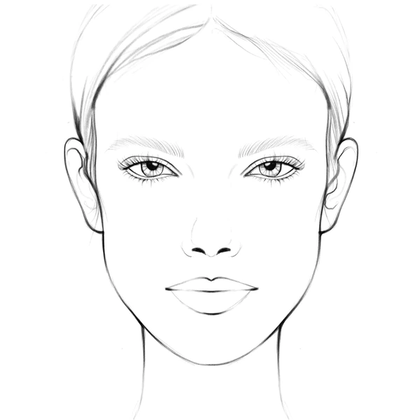
Notes
- Photos taken at rest and in movement
- Client satisfied
- No adverse events reported
Sign-off
Template from zdrovia.ca/templates/neurotoxin-touch-up-follow-up-record/ · Adapt to your college's documentation standard before use.
Chart it once, find it every visit after
Zdrovia comes with starter chart templates for aesthetics, including a neurotoxin treatment record and a laser session record, and you can adapt any of them to match this one. Fill the chart on a tablet during the treatment, or let the AI Scribe complete it from what you say out loud. Products and lots dispensed from inventory land on the same patient record, and photos attach to the visit. Free for solo practitioners, with data stored in Canada.
See how Zdrovia is set up for med spas.
Frequently asked questions
When should the neurotoxin follow-up happen?
Around two weeks, when the full effect can be assessed. Follow your own protocol.
Do I record touch-up units separately?
Yes, with site and lot. It keeps the total dose for the cycle accurate.
Related
This template is a documentation aid, not clinical guidance. It records decisions about dosing, depth, and settings; it doesn't make them. Documentation standards vary by province and profession, so adapt it to your regulatory college's requirements.